VEGLIA MORBIDA
The body is the primary site of transformation.
Not as a representation, but as a space through which one passe

The body is the primary site of transformation.
Not as a representation, but as a space through which one passe
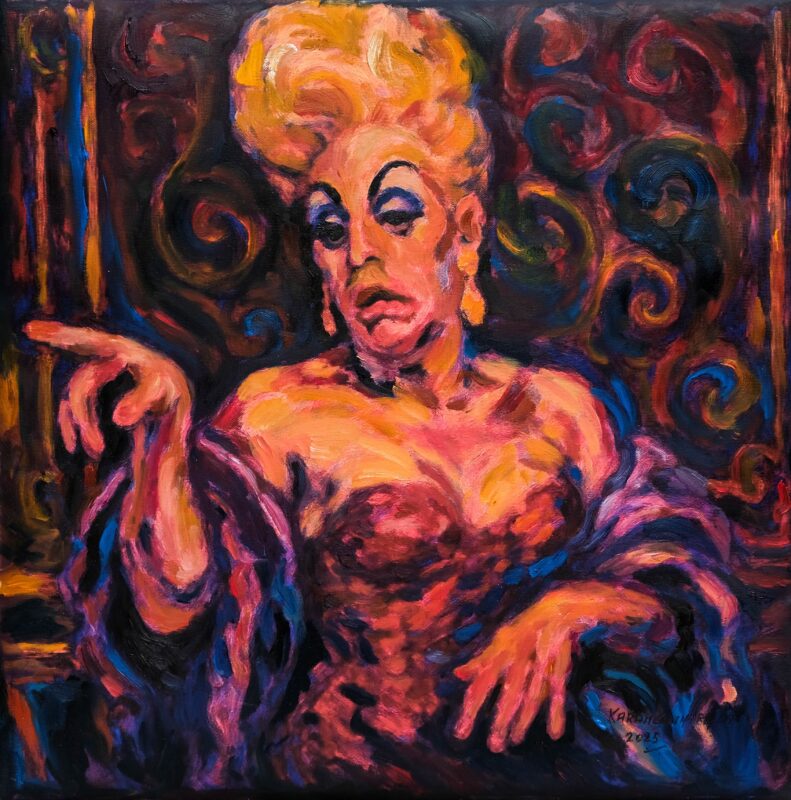
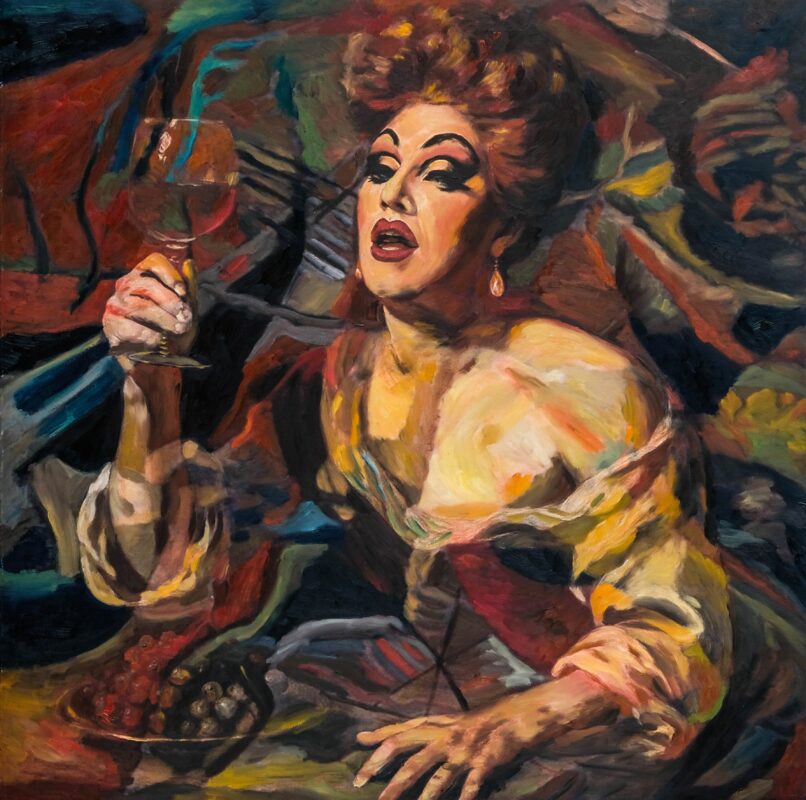
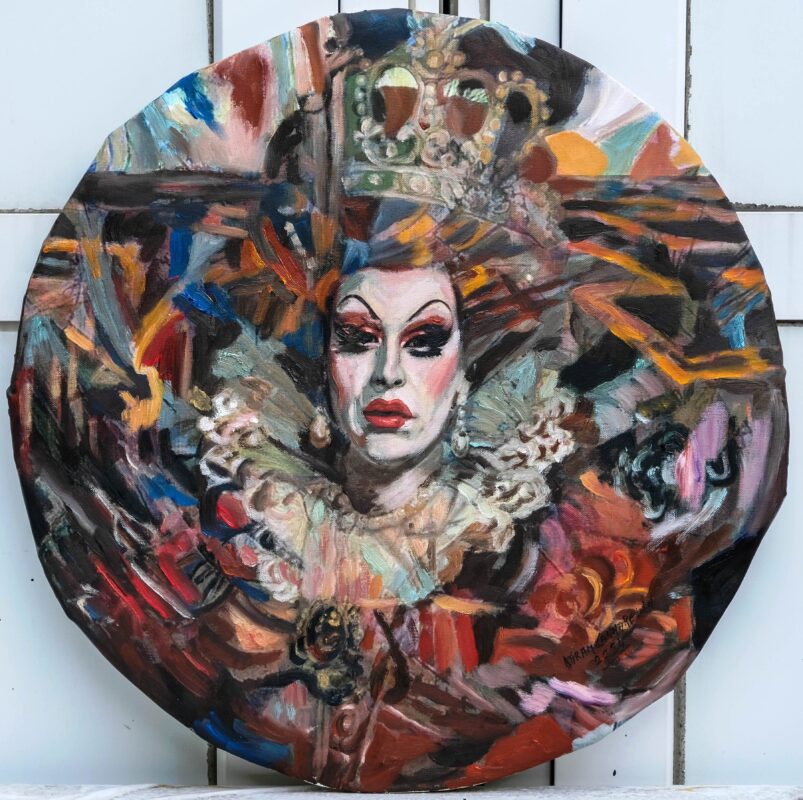
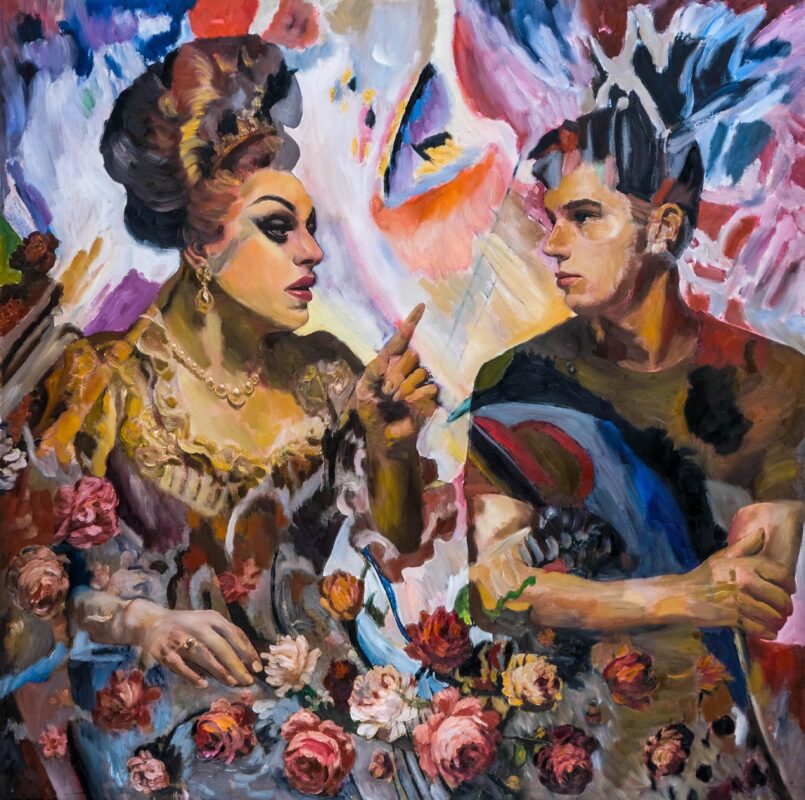
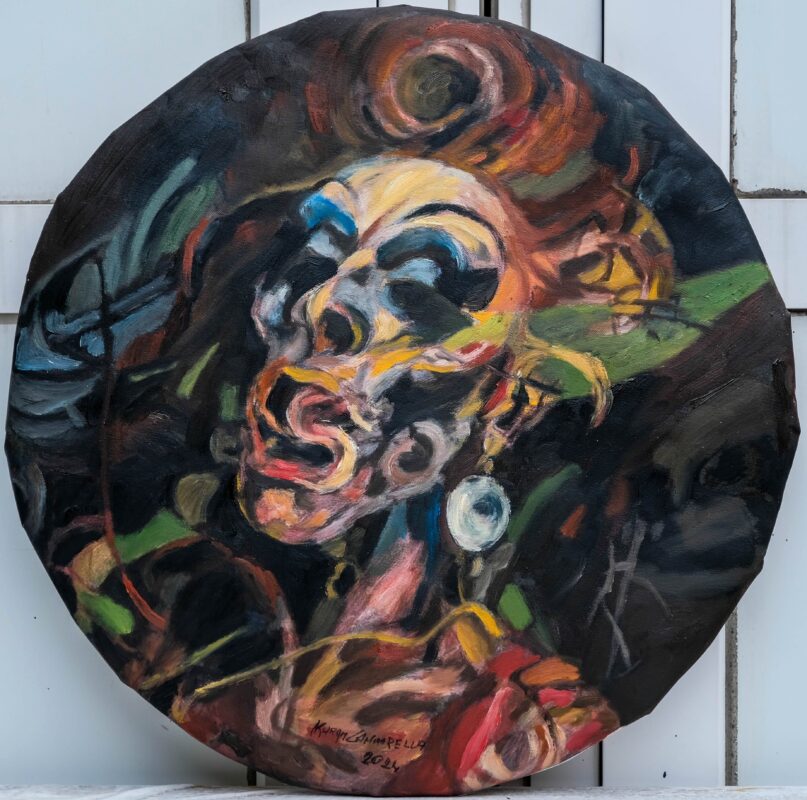
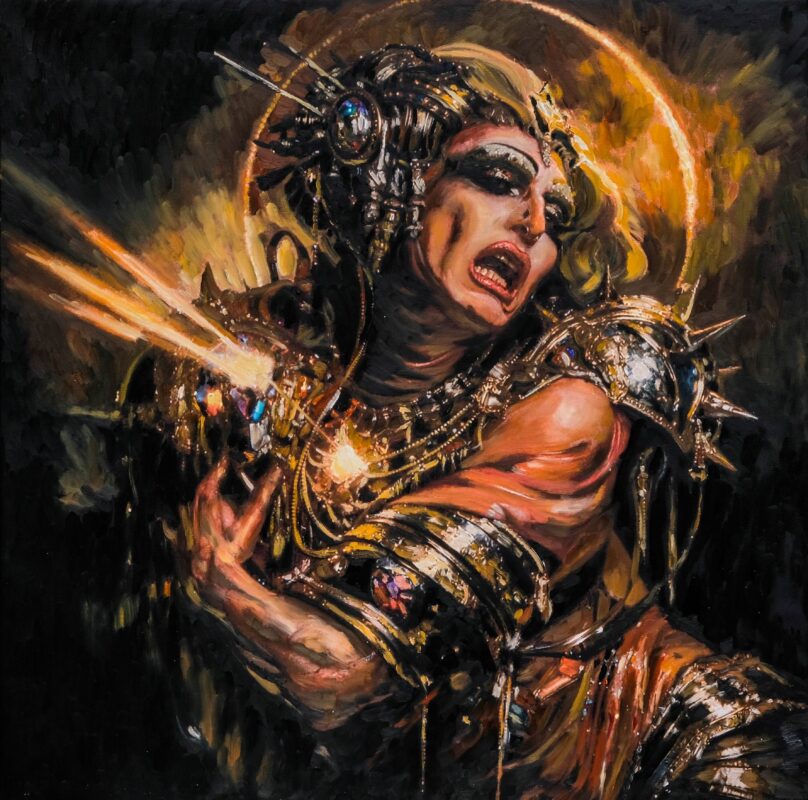
Drag has always been much more than just a performance. It is custom, ritual and art – an act of self-invention that spills over from the stage into painting, photography, cinema and culture. Artist Karam Sebastiano Cannarella’s new series of recently created works is dedicated precisely to drag queens; through the act of painting, he has highlighted the role of the drag queen, revolutionising our fascination with transformation, identity and spectacle. This series of works emphasises ‘figuration’, which the artist regards as a field of resistance, abandoning the narrative component to bring to the fore a ritual dimension where the ritual is not understood as a symbolic or performative event, but as a real, slow and often silent process. The individual subjects depicted appear fragile and dramatic, caught in a constant tension between identity and representation, between what is worn on stage and what remains, vulnerable, in the shadows.
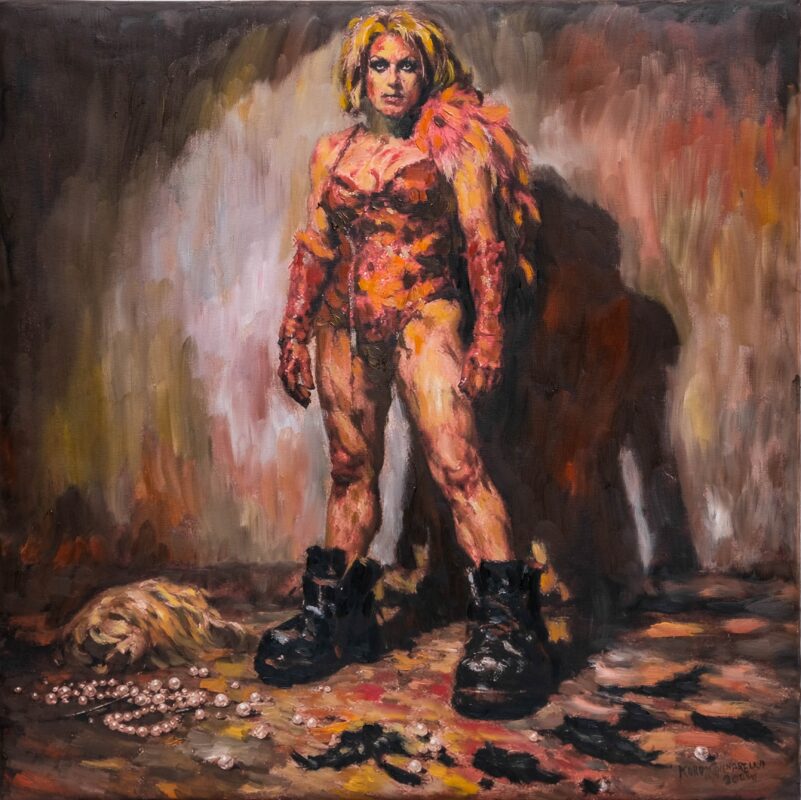
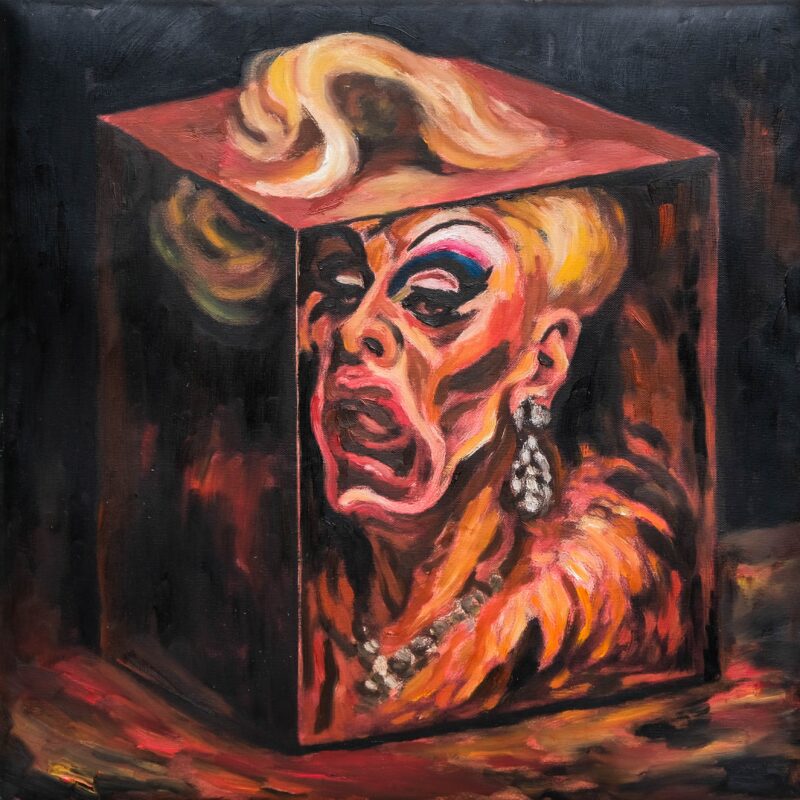
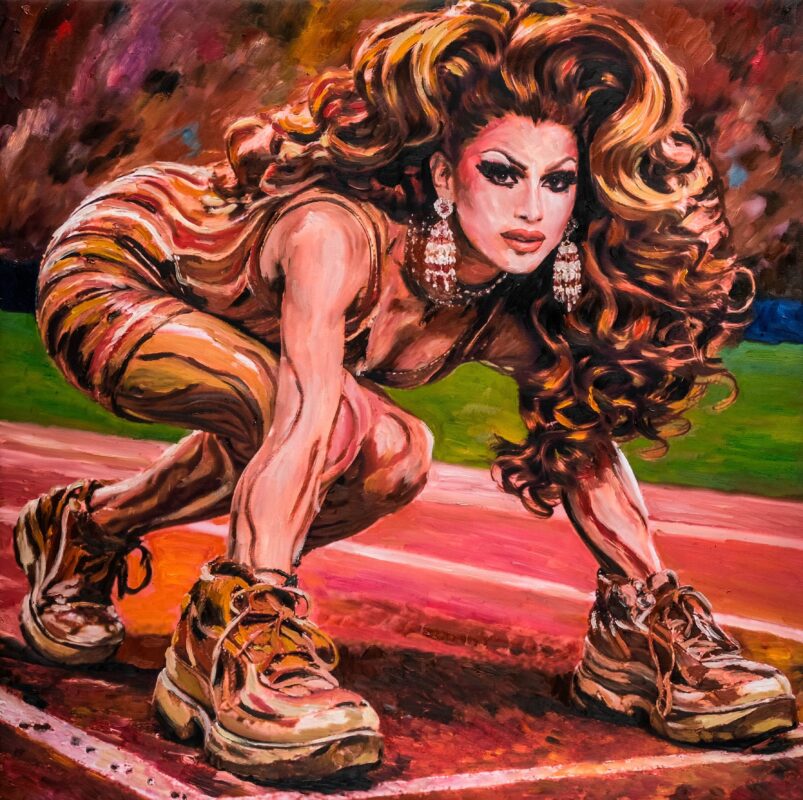
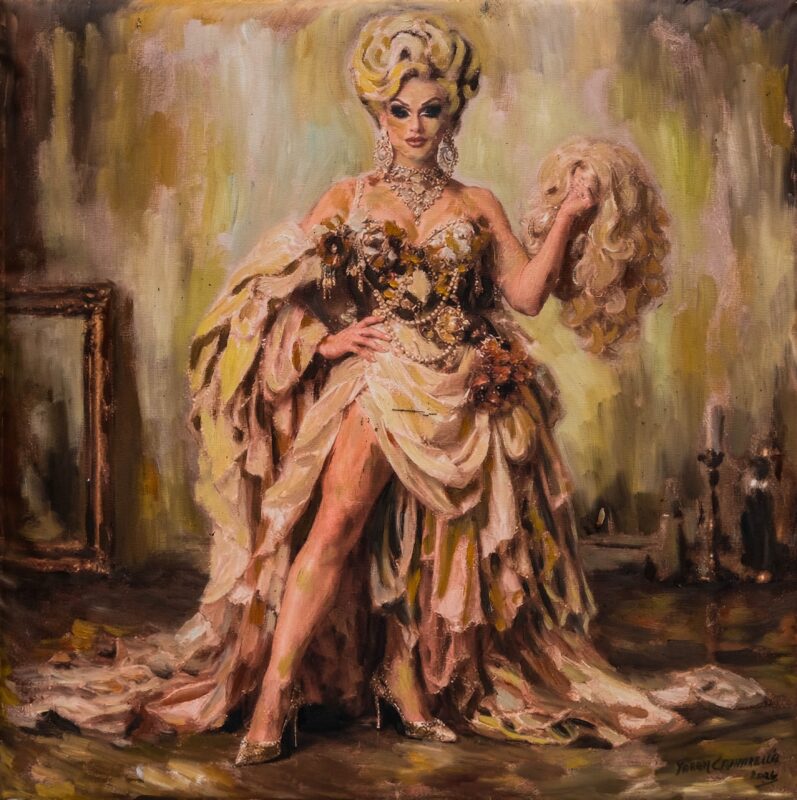
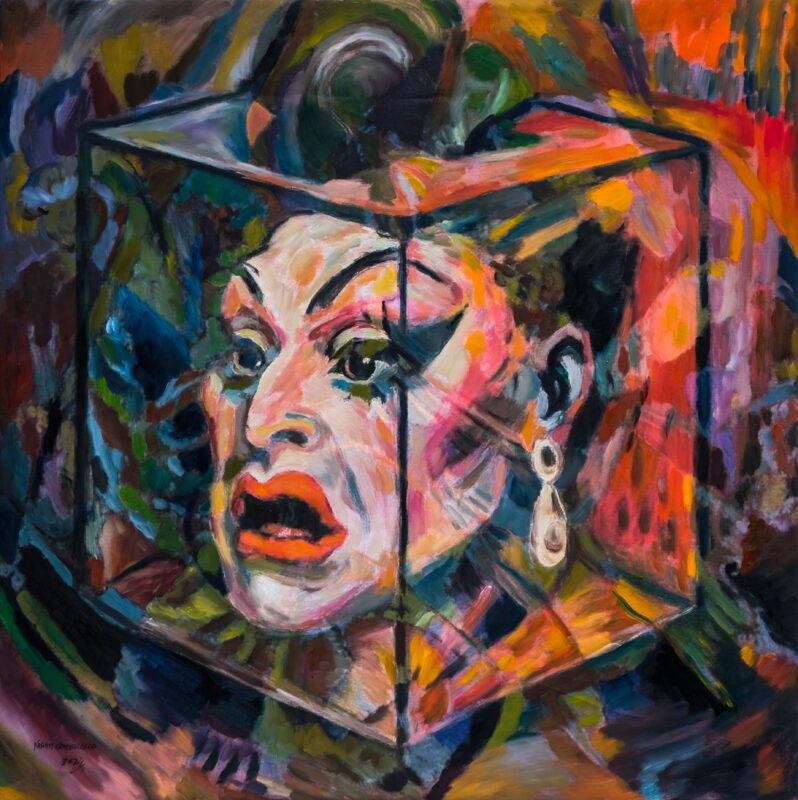
Contemporary, fluid and ambiguous vanitas, his drag queens do not celebrate the mask, but reveal its wound: suspended, suffering bodies that alter their posture, their weight and their relationship with space in search of an often invisible emancipation,” ‘Veglia Morbida’ depicts the moment of slow awakening, when a drag queen holds a mask as a nocturnal relic – the exhibition’s guiding image and a symbol of a human condition poised on the threshold, between apparition and truth, ritual and fragility. The works gathered here stem from a long-standing practice of figurative art which, over time, has gradually moved away from narrative to draw closer to ritual. Ritual is not understood as a symbolic or performative event, but as a real, slow, often silent process. It is a threshold that is crossed, without spectacle, leaving minimal yet irreversible marks on the body. For Cannarella, the subjects portrayed constitute a pictorial pretext through which to explore the themes of the body, space and action – what the artist defines as ‘ritual’.However, it is not the act itself that interests him, but rather what precedes it and what follows: the suspension, the anticipation, the vibration that precedes the event and the trace that remains afterwards. This creates an atmosphere of trepidation and anticipation, as in the 2024 painting *Prima del volo* (*Before the Flight*), in which the butterfly is still in its cage and not yet ready to fly. Cannarella calls this state the ‘threshold’ – an intermediate stage, a moment held in time. In the work *La linea di soglia* (2025), a figure wears two pairs of shoes – on their feet and on their hands – as if the body itself were about to set off, waiting for the moment to spring into action, before the gesture even begins. In the ritual, however, the drag queen is fully immersed in the situation: sometimes enclosed in a cube, in a state of confinement and tension (Contenimento, 2024), sometimes captured at the moment of her escorted descent, almost held back, as in *Discesa assistita* (2025). And then there is the drag queen skating, playing the guitar, standing amongst goats or in front of Milan Cathedral. Finally, there is the moment when the performance has ended. The wig is removed and becomes a relic; the pearl necklace lies abandoned on the floor; sequins and glitter fade away, forgotten (Icona deposta, Spoglia reale).It is a moment of weariness and melancholy, of dramatic resignation: when the ritual comes to an end and what remains is no longer a performance but a trace. Cannarella’s theatrical spaces thus become a mental and emotional theatre, capable of revealing states of mind in which the stage does not show, but retains what remains.